Ethiopia 2026


Step 1 | Clinical Emersion
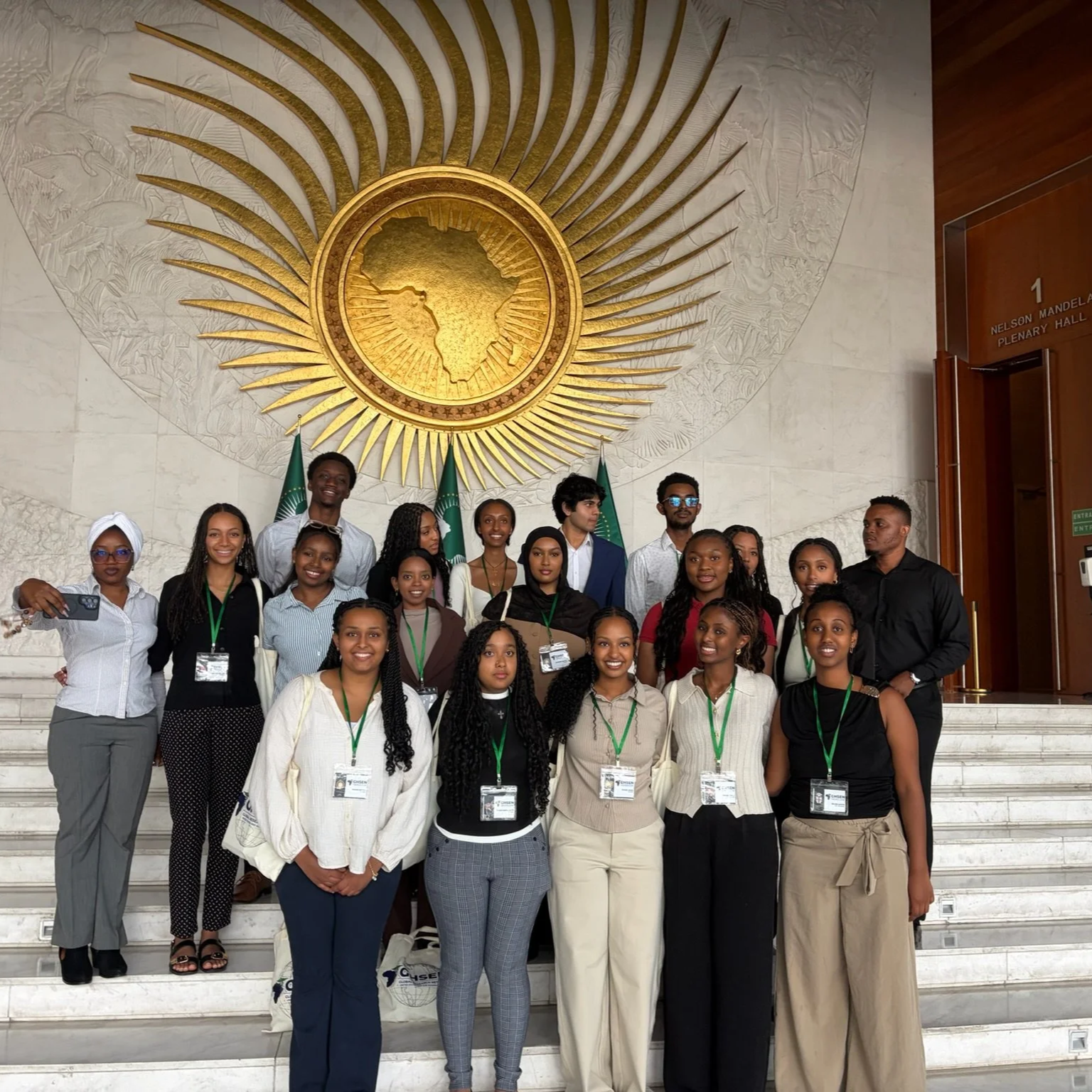
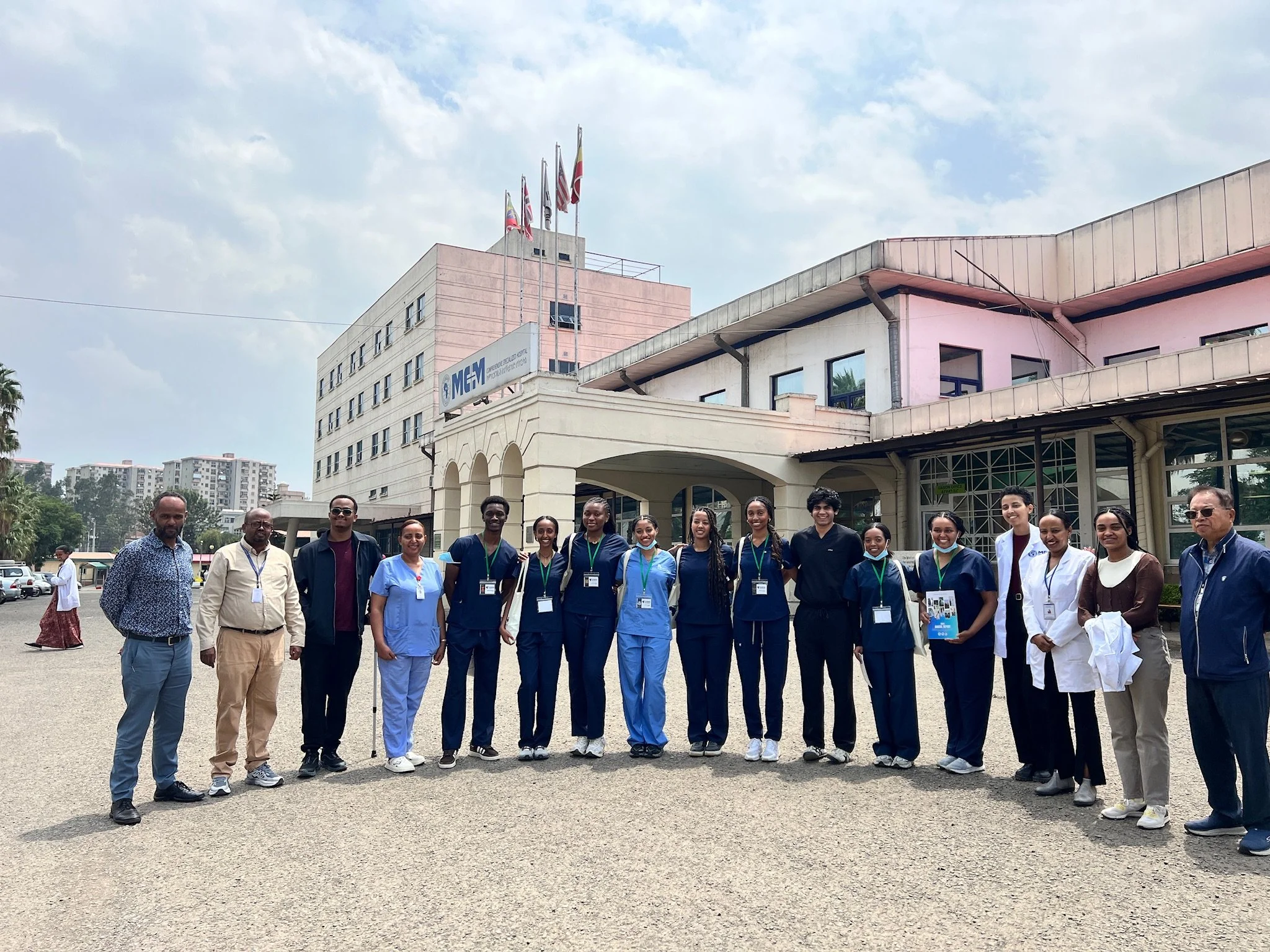
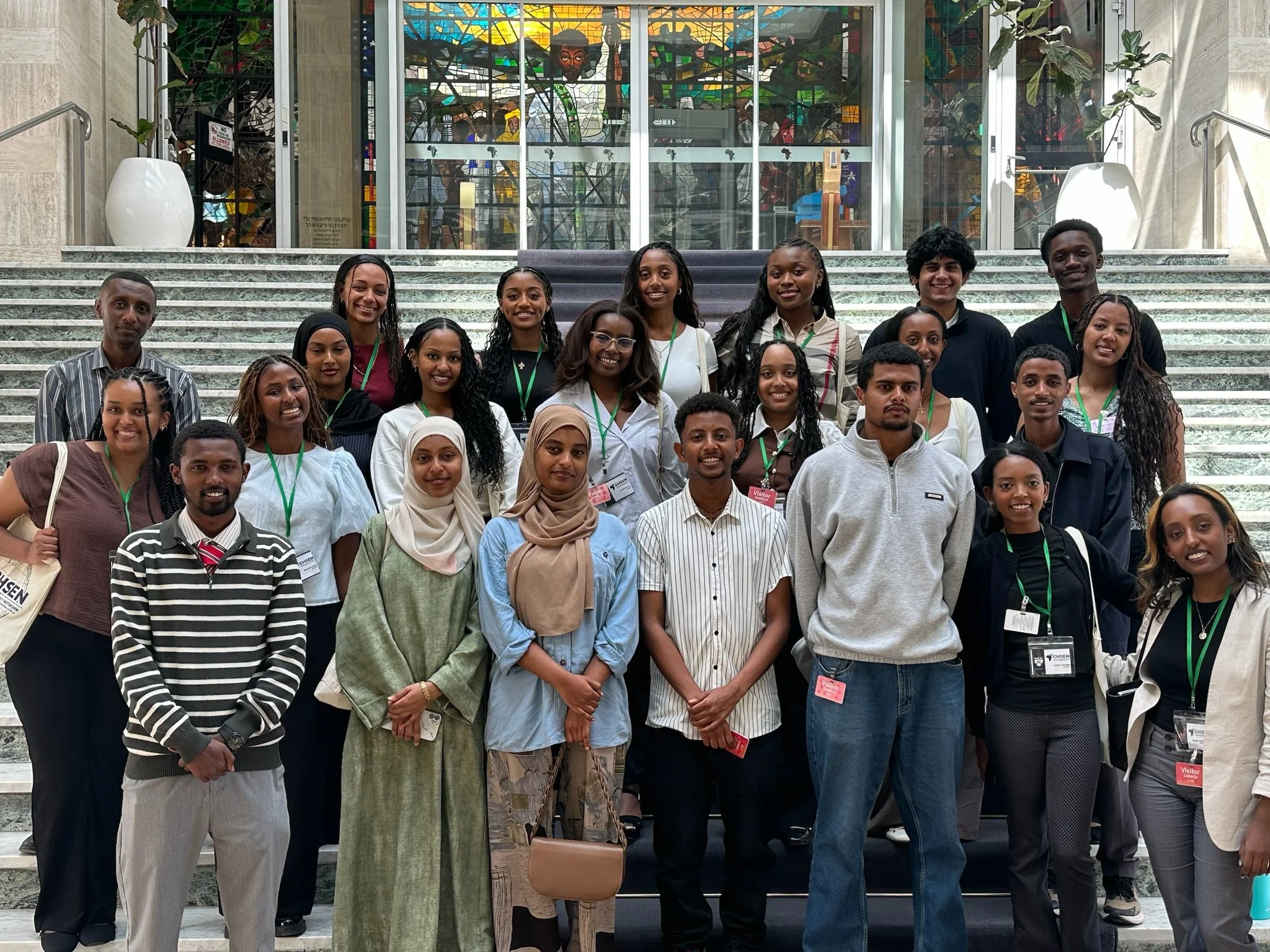
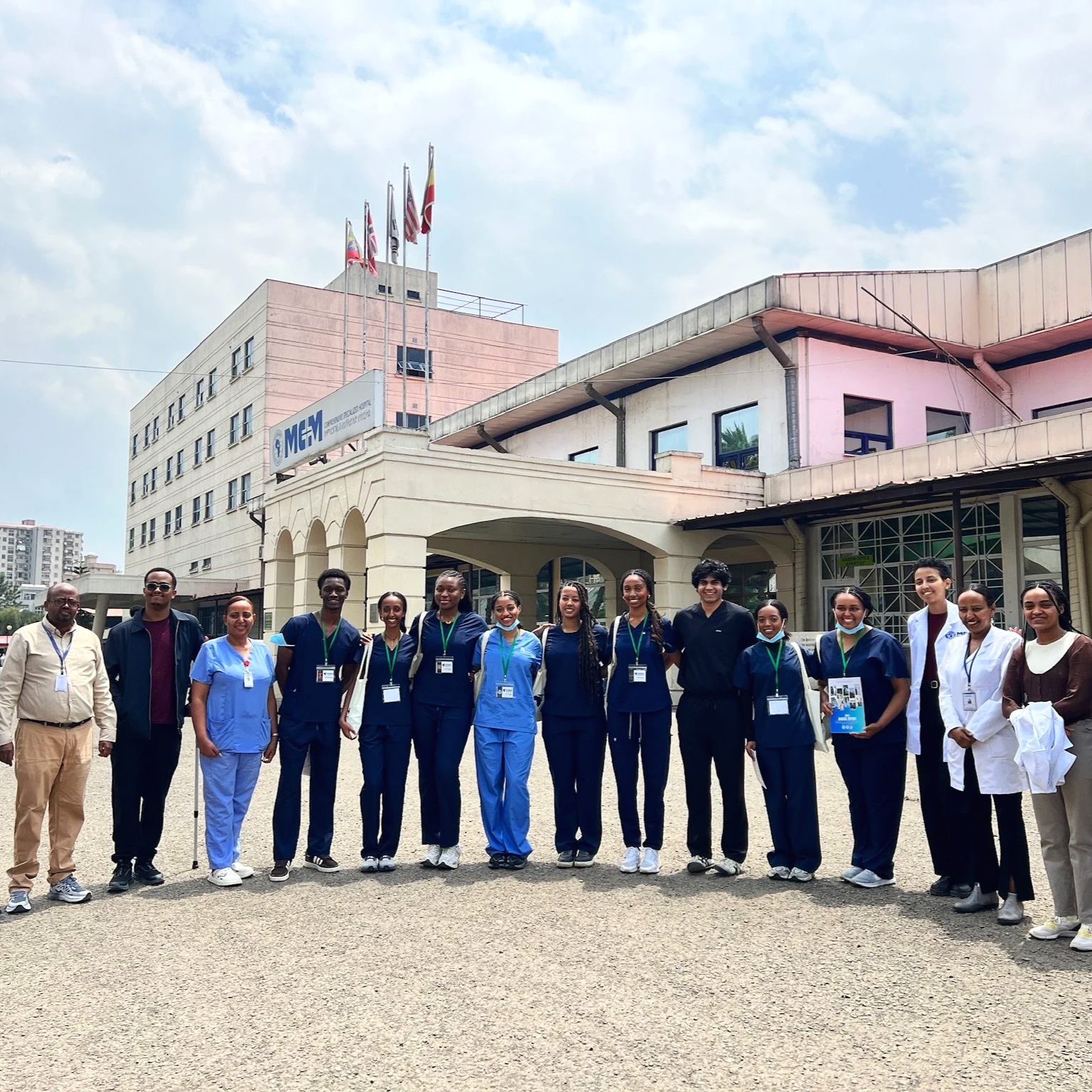
Students gain firsthand exposure to healthcare delivery across both public and private clinical settings in Addis Ababa. The program includes hospital shadowing at Tikur Anbessa Specialized Hospital and St. Paul’s Hospital Millennium Medical College, followed later by interest-based placements in private facilities including Grace Plus Maternal Health Center, MCM Hospital, and Tom Veterinary Clinic.
Rather than focusing solely on observing clinical procedures, students are encouraged to compare how care is delivered across different environments. They examine differences in infrastructure, patient flow, provider-patient relationships, access to services, available resources, and the populations served.
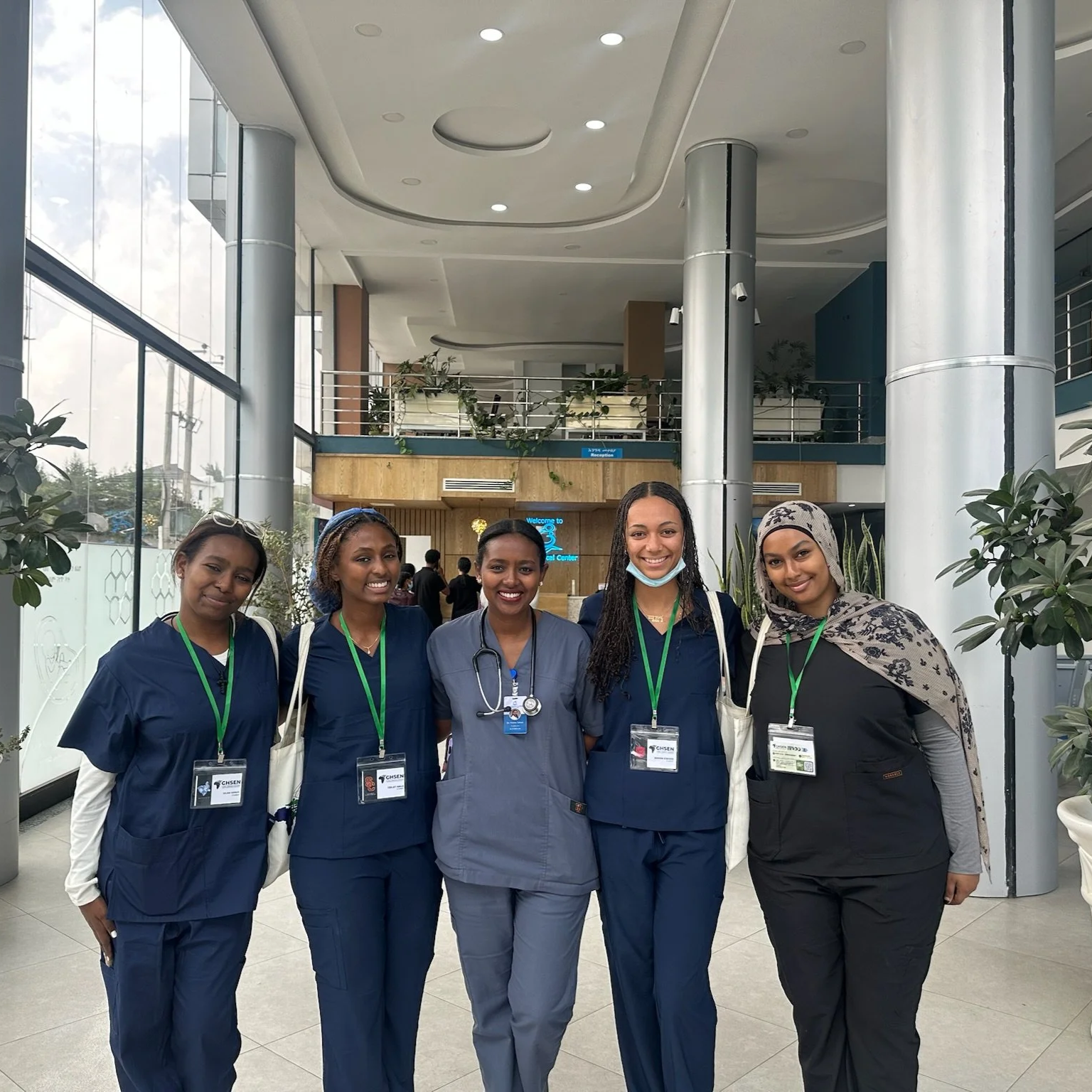
Private-sector placements also allow students to pursue individual interests ranging from maternal health and emergency medicine to ophthalmology, dentistry, internal medicine, and veterinary care. This component gives students an opportunity to connect the broader health-system concepts introduced throughout the program with the realities of day-to-day clinical practice.
Step 2 | Understanding Ethiopia’s Health System
Before entering hospitals and organizations, students first build a foundation for understanding how Ethiopia’s healthcare system is organized, financed, and delivered.
A visit to the Addis Continental Institute of Public Health introduces the structure of the Ethiopian health system while also exposing students to the role of public-health research, training, and capacity building.


Step 3 | Expanding the Foundation
That foundation is expanded throughout the trip through discussions focused on medical services, nutrition, population health, and specialized care. Students explore how national health priorities are translated into programs and services while considering the challenges of delivering healthcare across different communities and levels of the health system.
A visit to Cardiac Center Addis adds another dimension by examining the growing burden of noncommunicable diseases, access to highly specialized care, and the evolving health needs that accompany Ethiopia’s demographic and epidemiological transitions.
Together, these experiences help students understand healthcare not simply as individual clinical encounters, but as a system shaped by financing, workforce, infrastructure, disease burden, policy, and implementation.


Step 4 | Community Health & Locally Led Impact
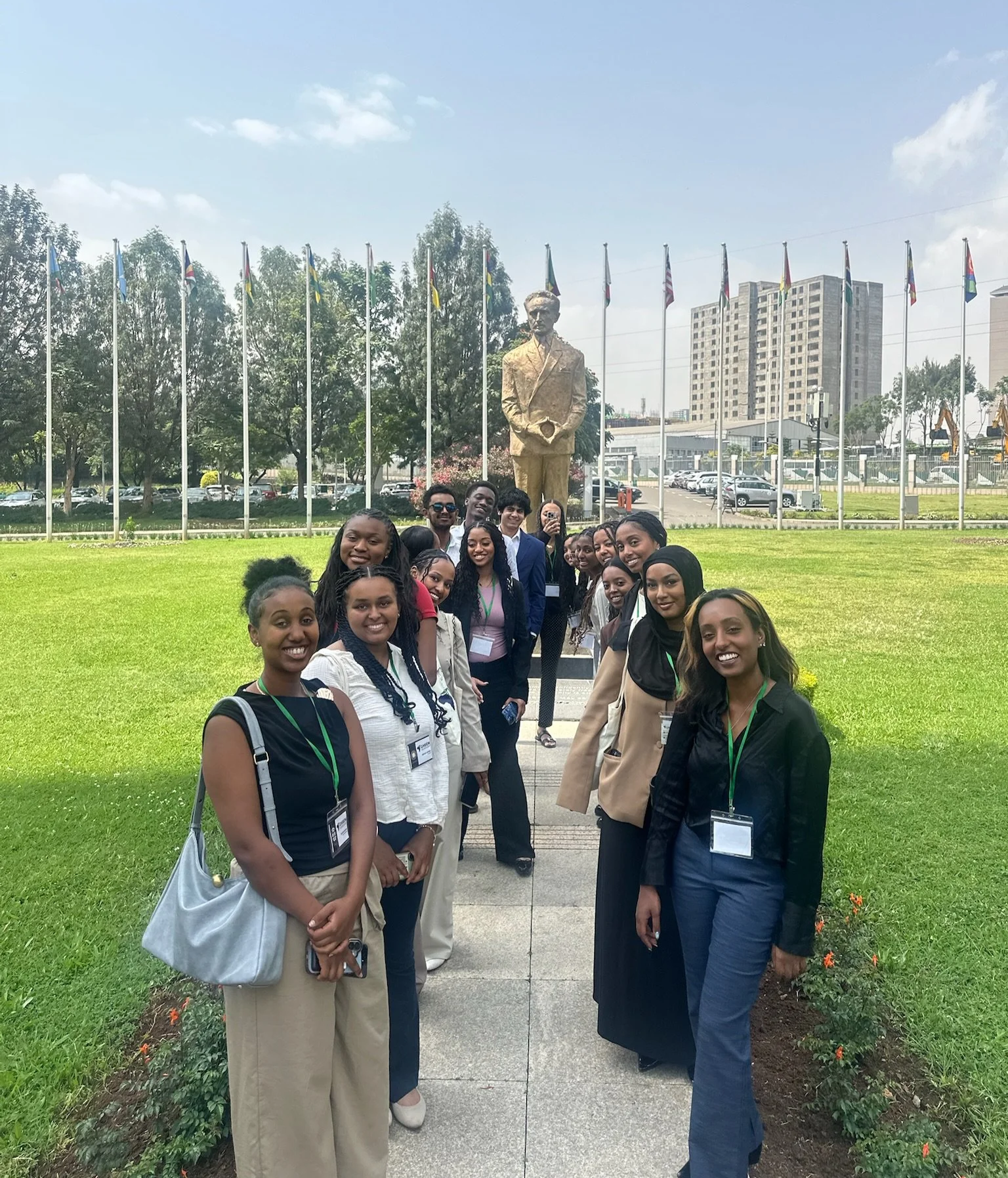
An important goal of the program is to expose students to organizations responding directly to community needs and to challenge the assumption that meaningful global-health work must originate within large international institutions.
Through a visit to Hamlin Fistula Hospital and a conversation with maternal-health leader Hanna Tesfaye, students examine women’s health, maternal morbidity and mortality, obstetric fistula, clinical care, health-systems strengthening, and the evolution of locally rooted maternal-health institutions in Ethiopia.
Students also visit Mekedonia, an Ethiopian-founded organization providing care and support to elderly people, individuals experiencing homelessness, and other vulnerable populations. The visit is intentionally paired with exposure to a major international foundation, allowing students to compare organizations operating at dramatically different scales.
Across these experiences, students are encouraged to consider questions of local leadership, community trust, sustainability, funding, service delivery, and what effective impact looks like in practice. The emphasis is not only on identifying challenges, but on recognizing the people and institutions already working within Ethiopia to address them.

Step 5 | From Observation to Action
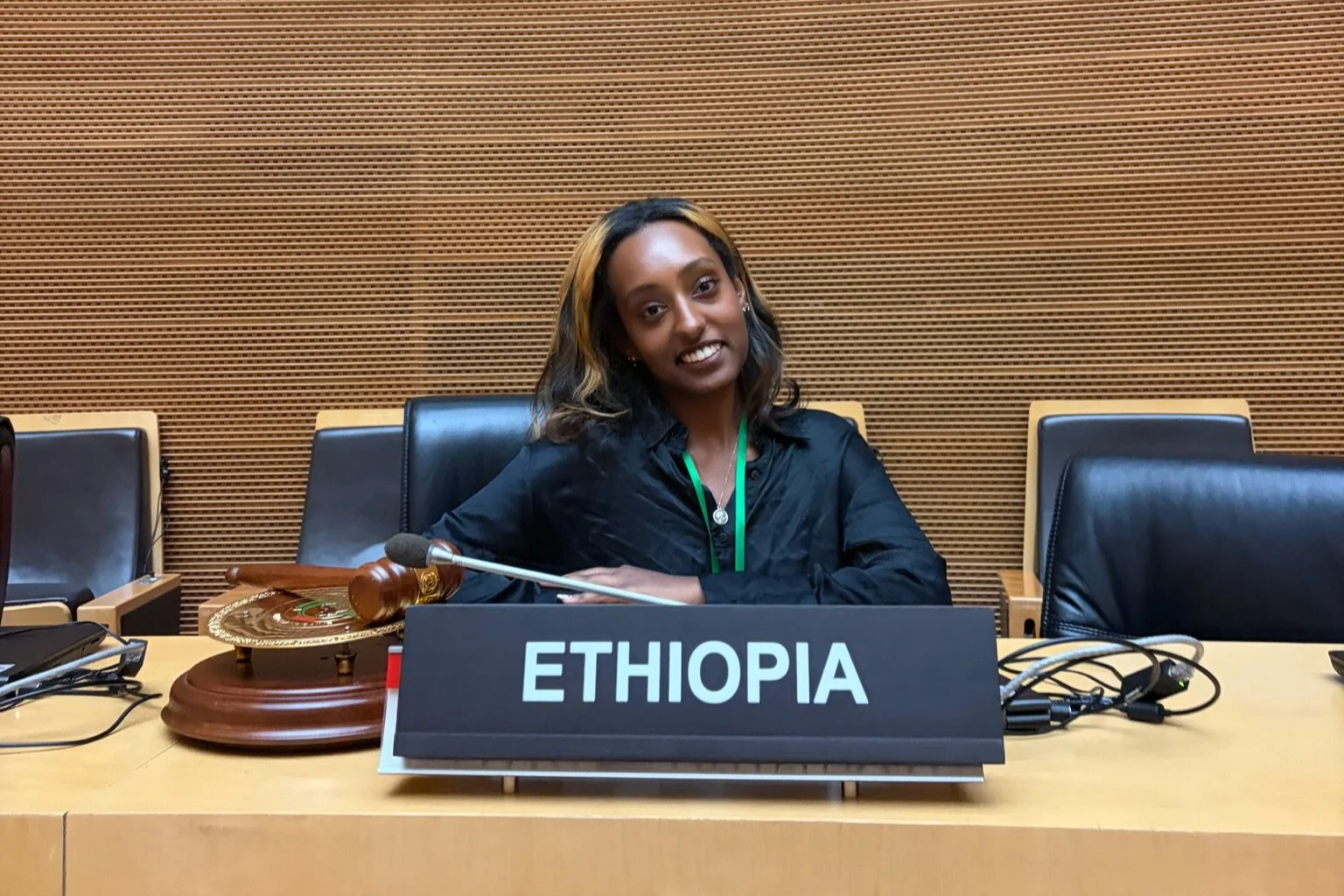
The program is designed to move beyond simply exposing students to problems. Toward the end of the trip, participants shift from observing Ethiopia’s health system to asking a harder question: How do you actually design, implement, evaluate, and sustain a solution?
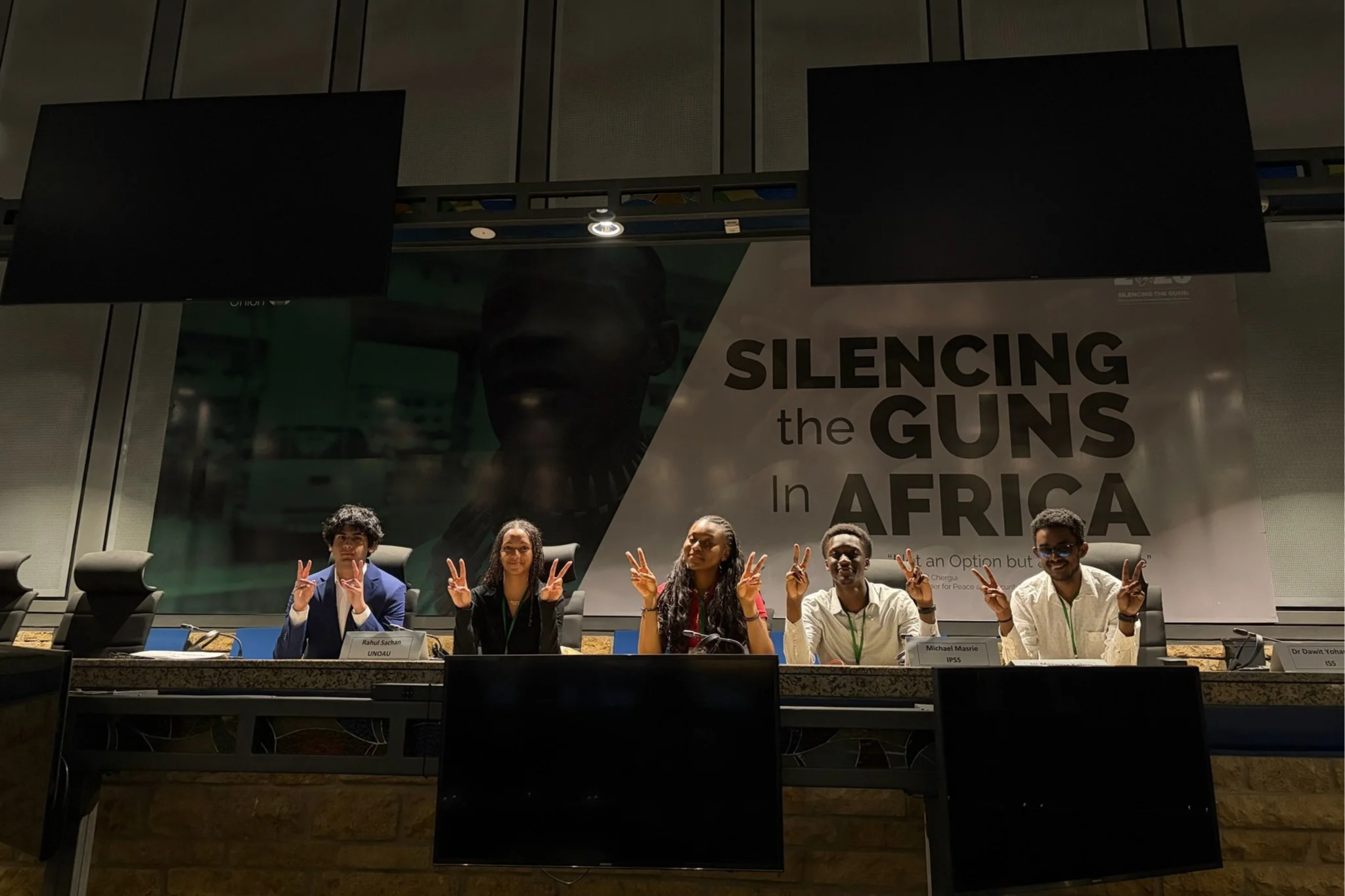
Dedicated sessions introduce students to public-health implementation, monitoring and evaluation, implementation research, health innovation, and the factors that determine why programs succeed or fail. Students discuss lessons from Ethiopia’s health system while considering how interventions can be adapted to local contexts rather than imported without sufficient understanding of the communities they intend to serve.
Step 6 | Cultural Immersion & Understanding Ethiopia
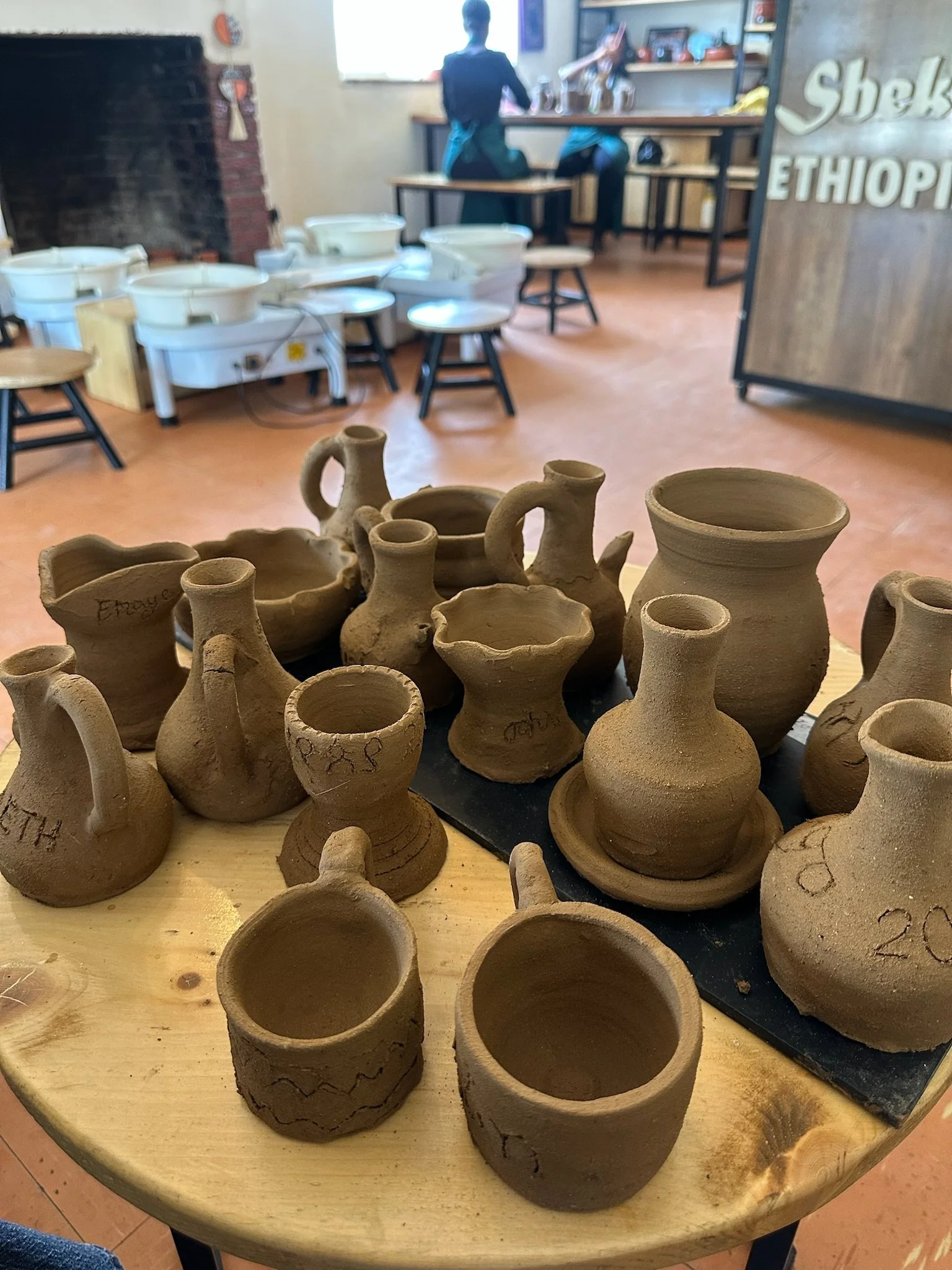
Understanding Ethiopia’s health system also requires understanding the history, culture, communities, and everyday life of the country itself. Cultural immersion is therefore woven intentionally throughout the two-week program rather than treated as separate from students’ global-health learning.
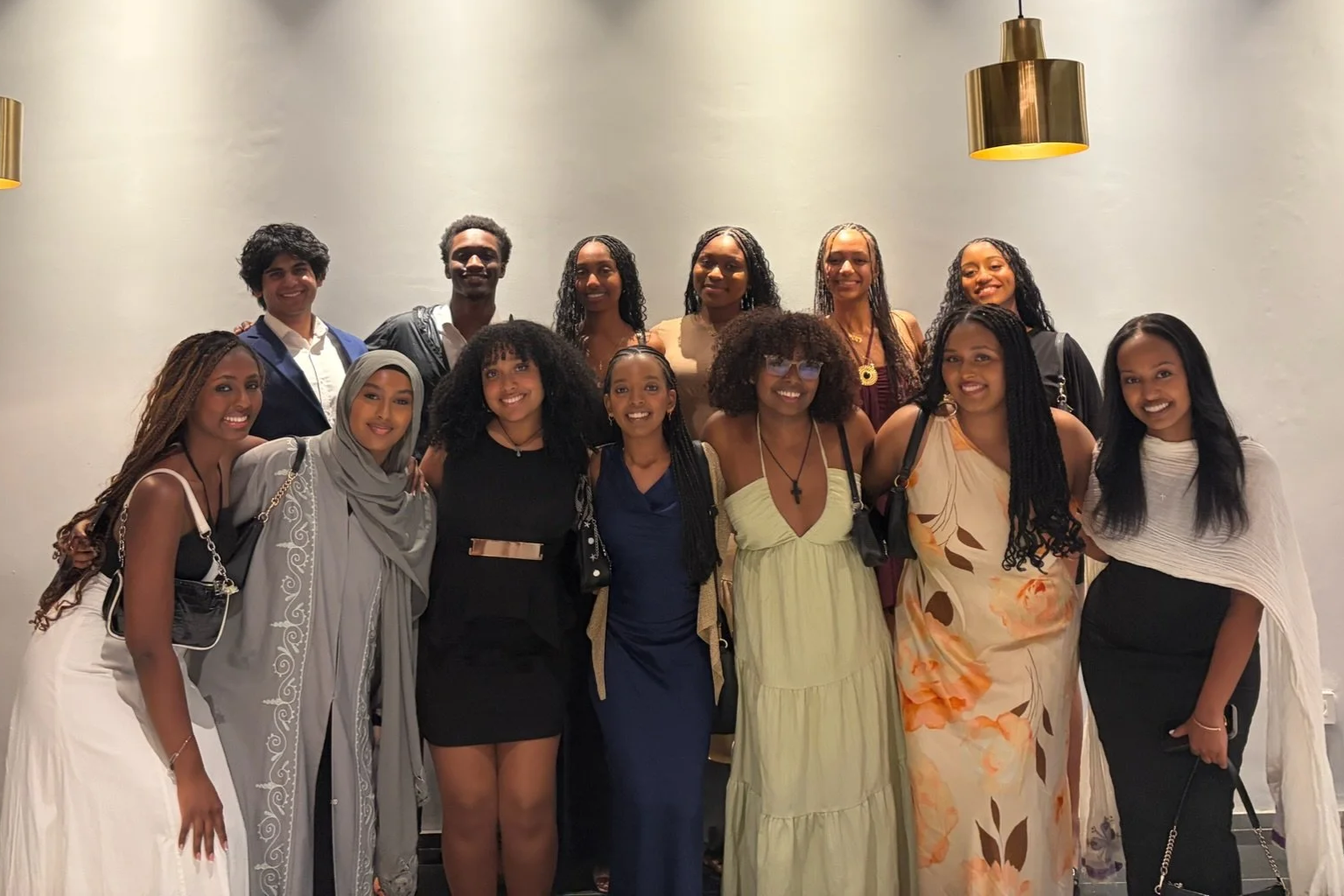
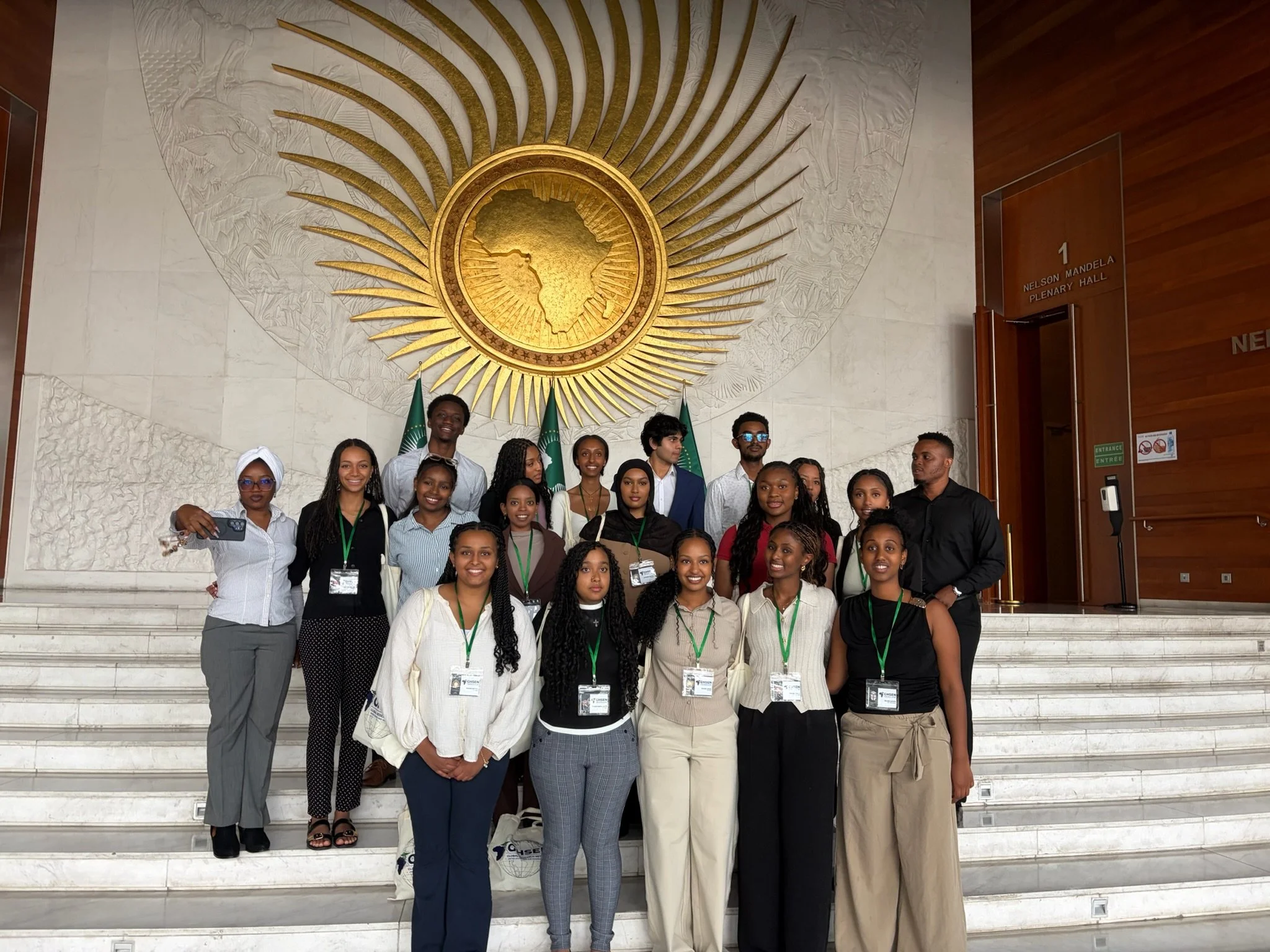
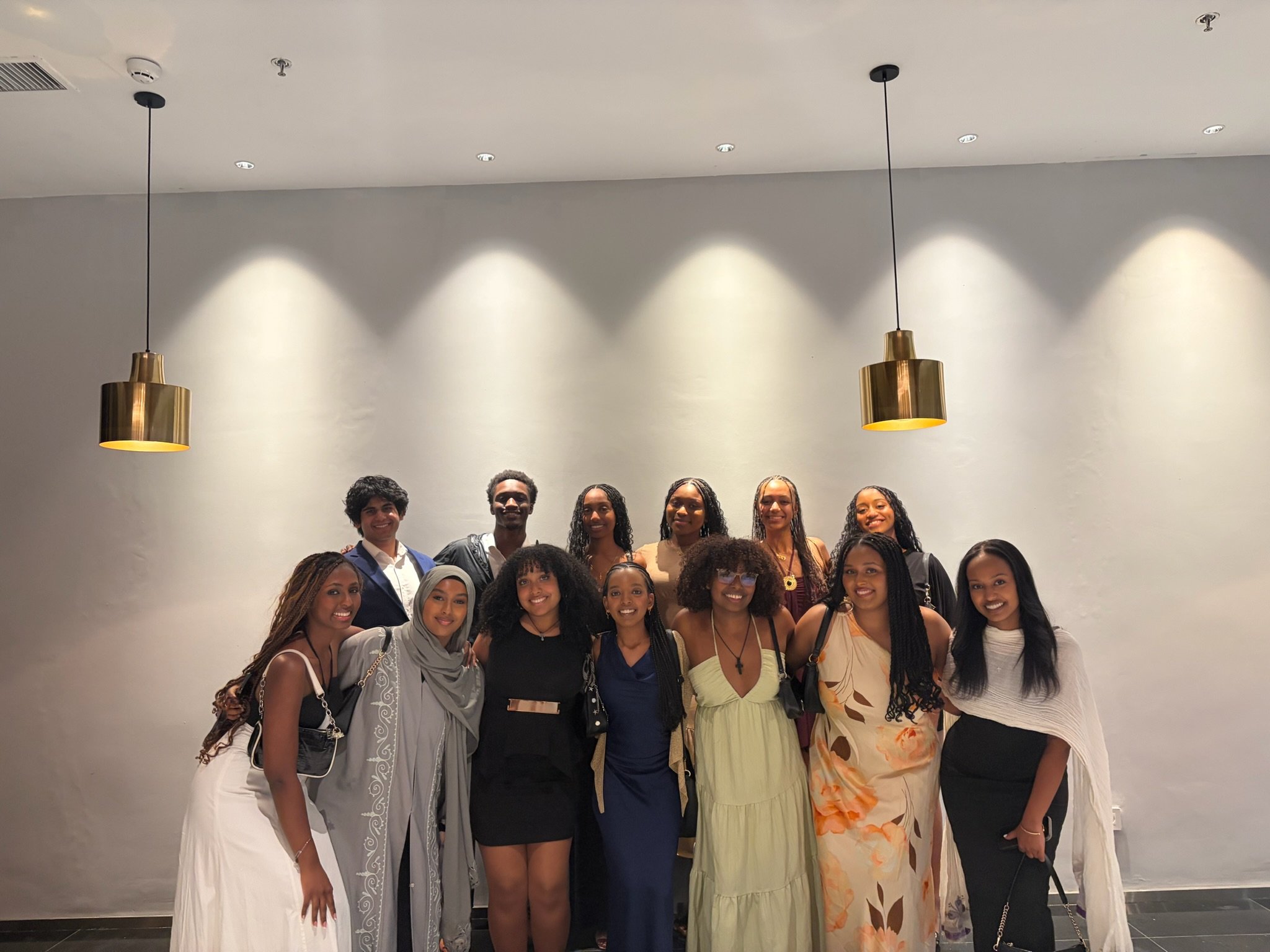
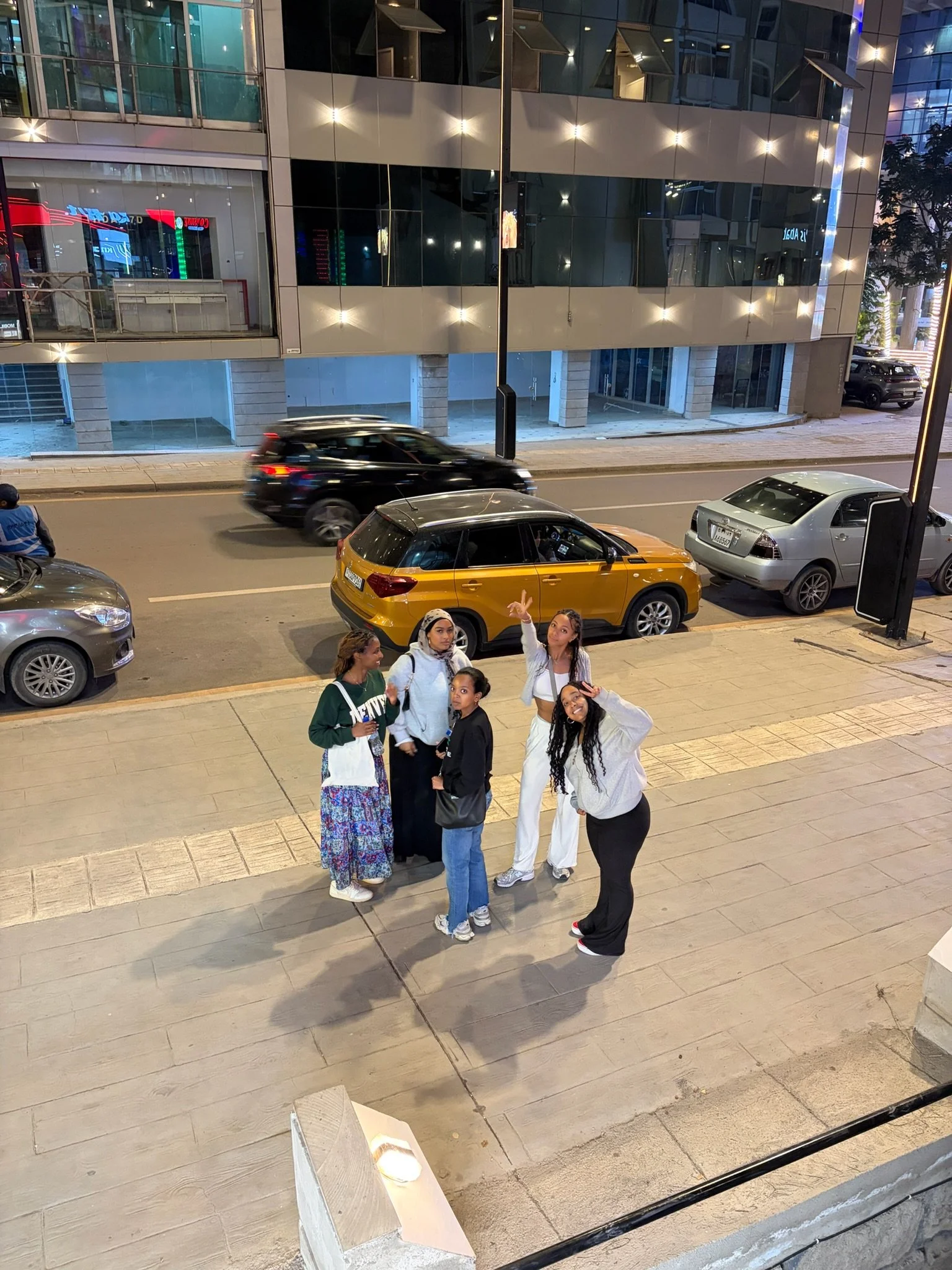
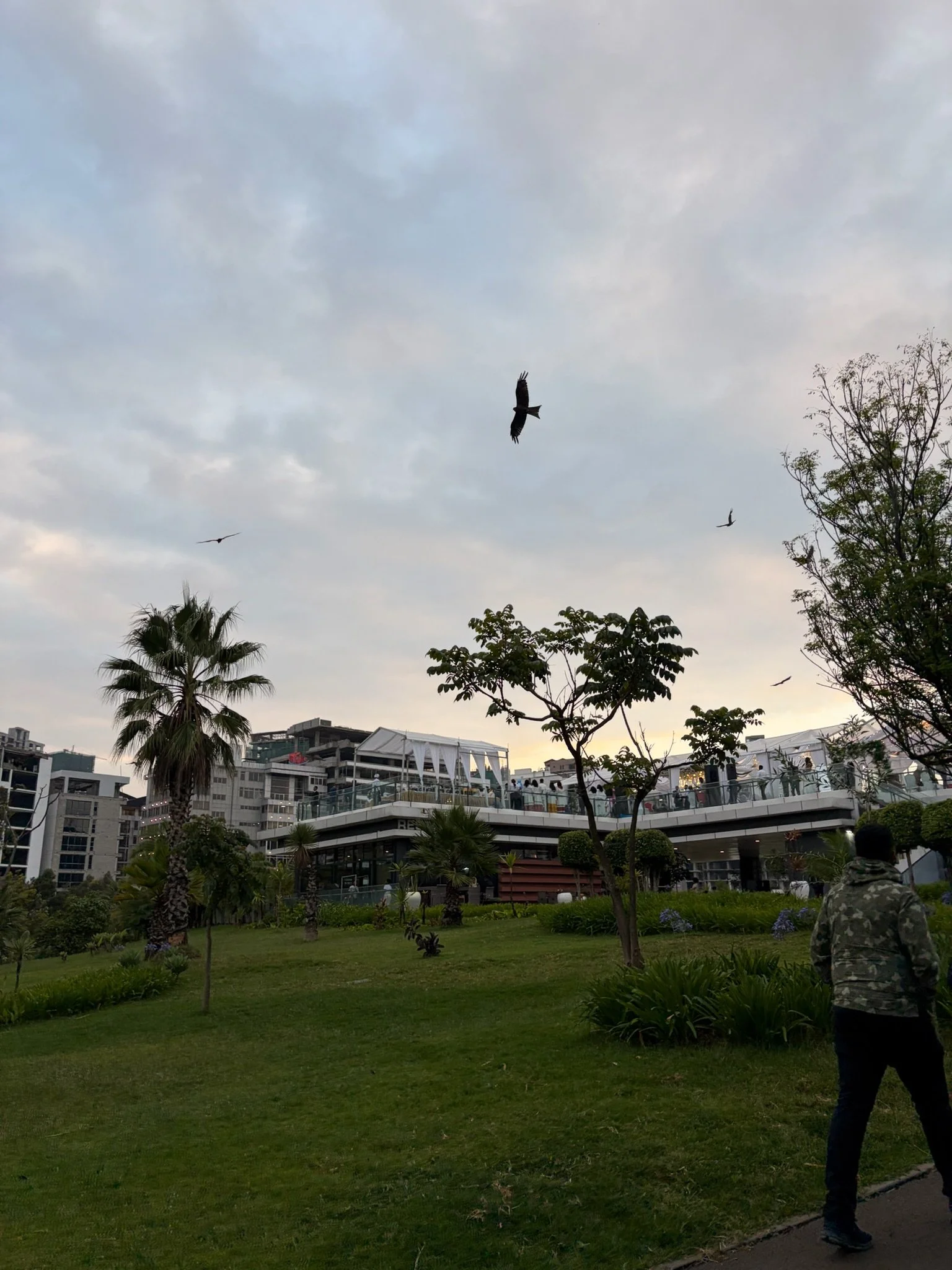
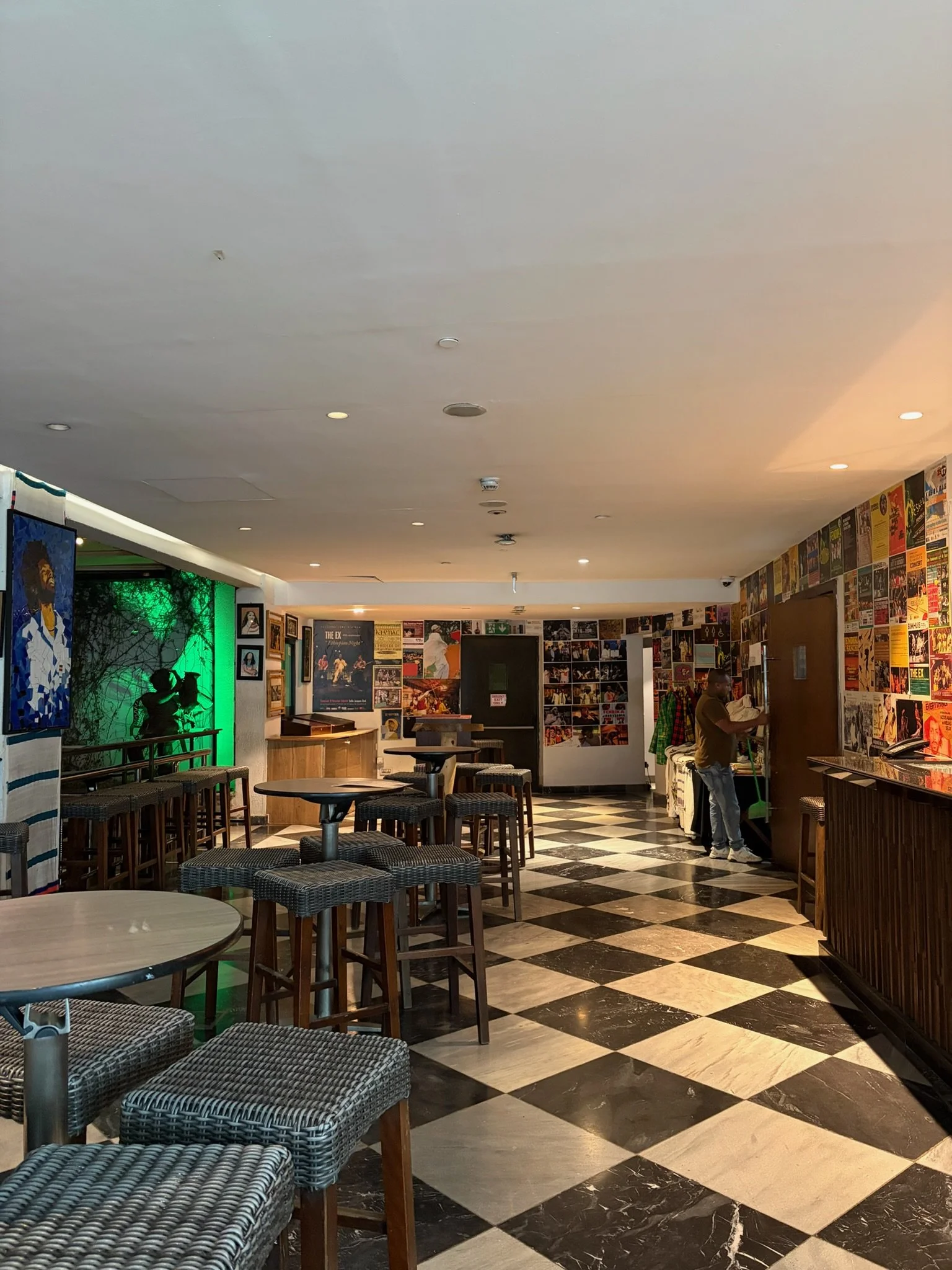
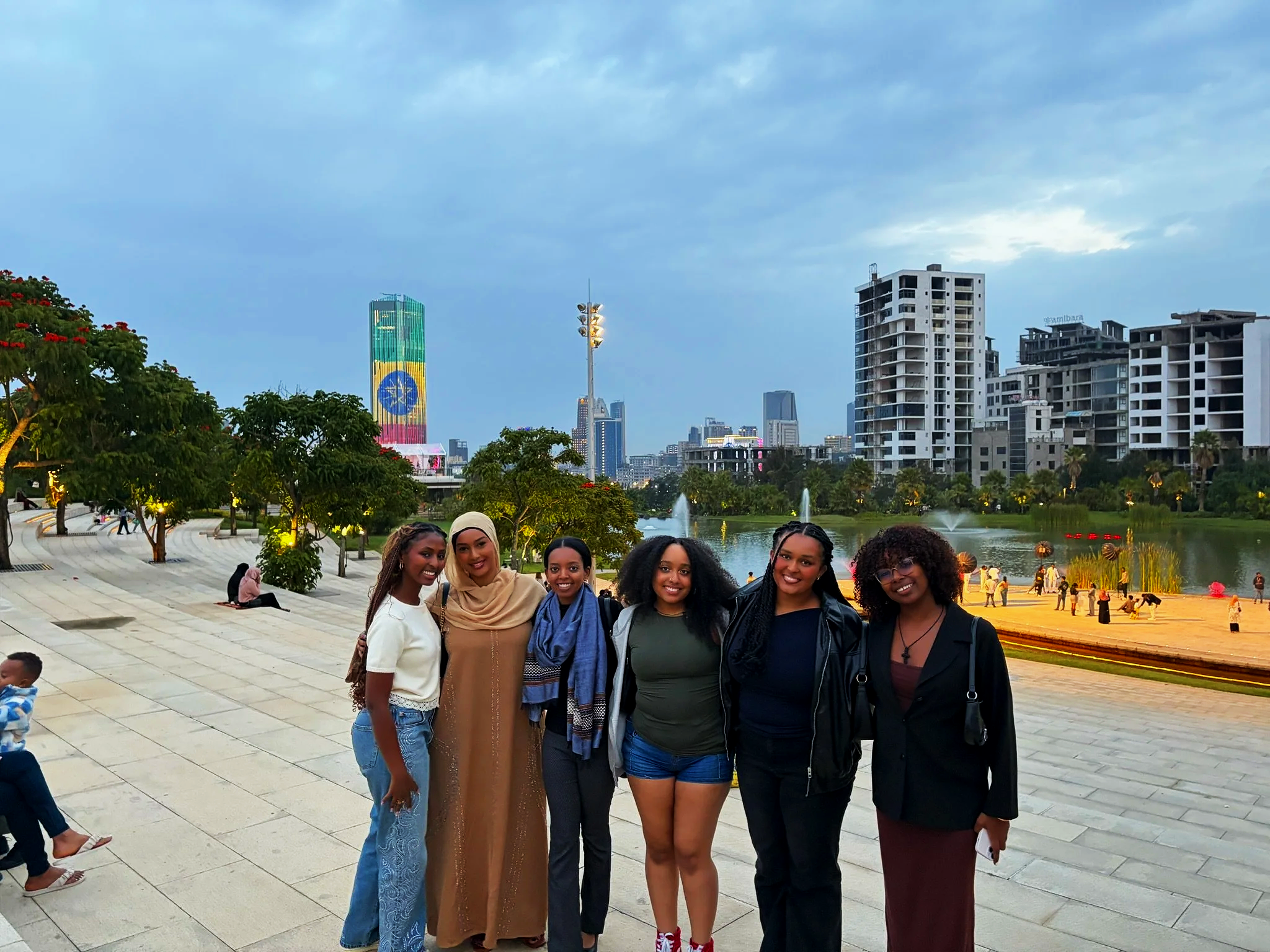
Begins with time to settle into Addis Ababa, explore the city, and participate in a Ethiopian welcome dinner and cultural performance. Students later visit Unity Park, where museums, historic buildings and gardens introduce the history.
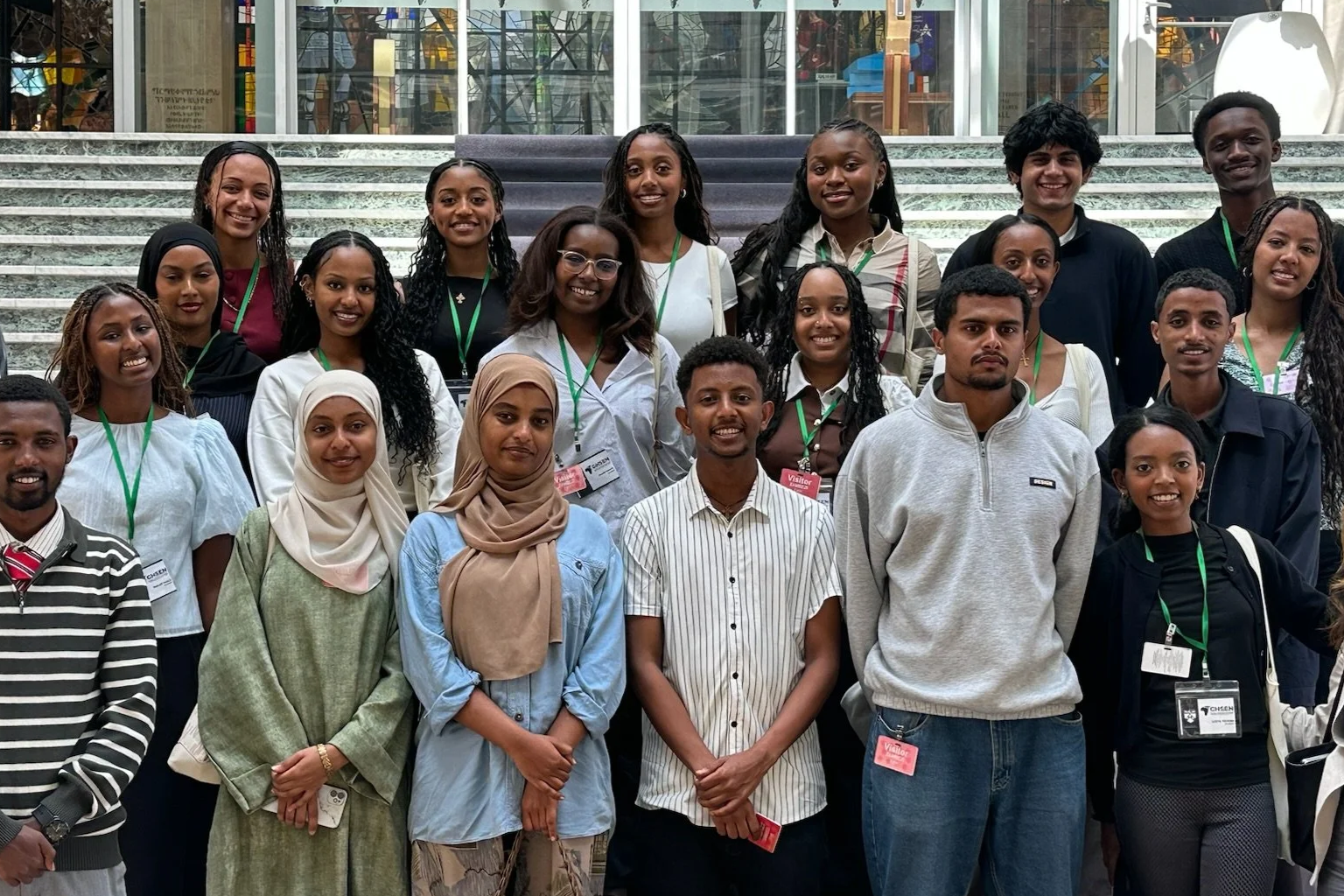
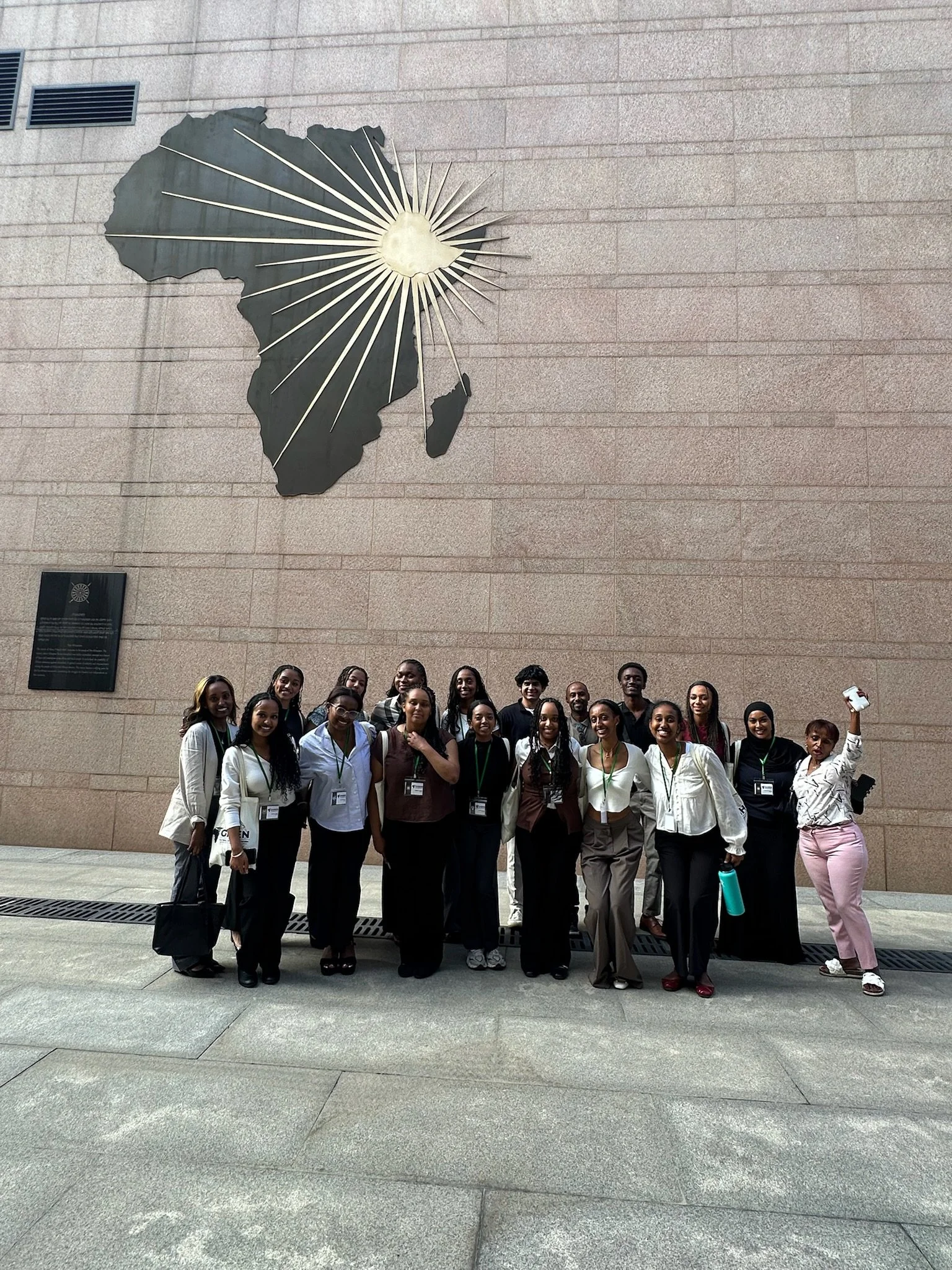
A guided visit to the Adwa Victory Memorial Museum provides deeper historical context surrounding the Battle of Adwa and Ethiopia’s significance within African histories of independence and anti-colonial resistance.
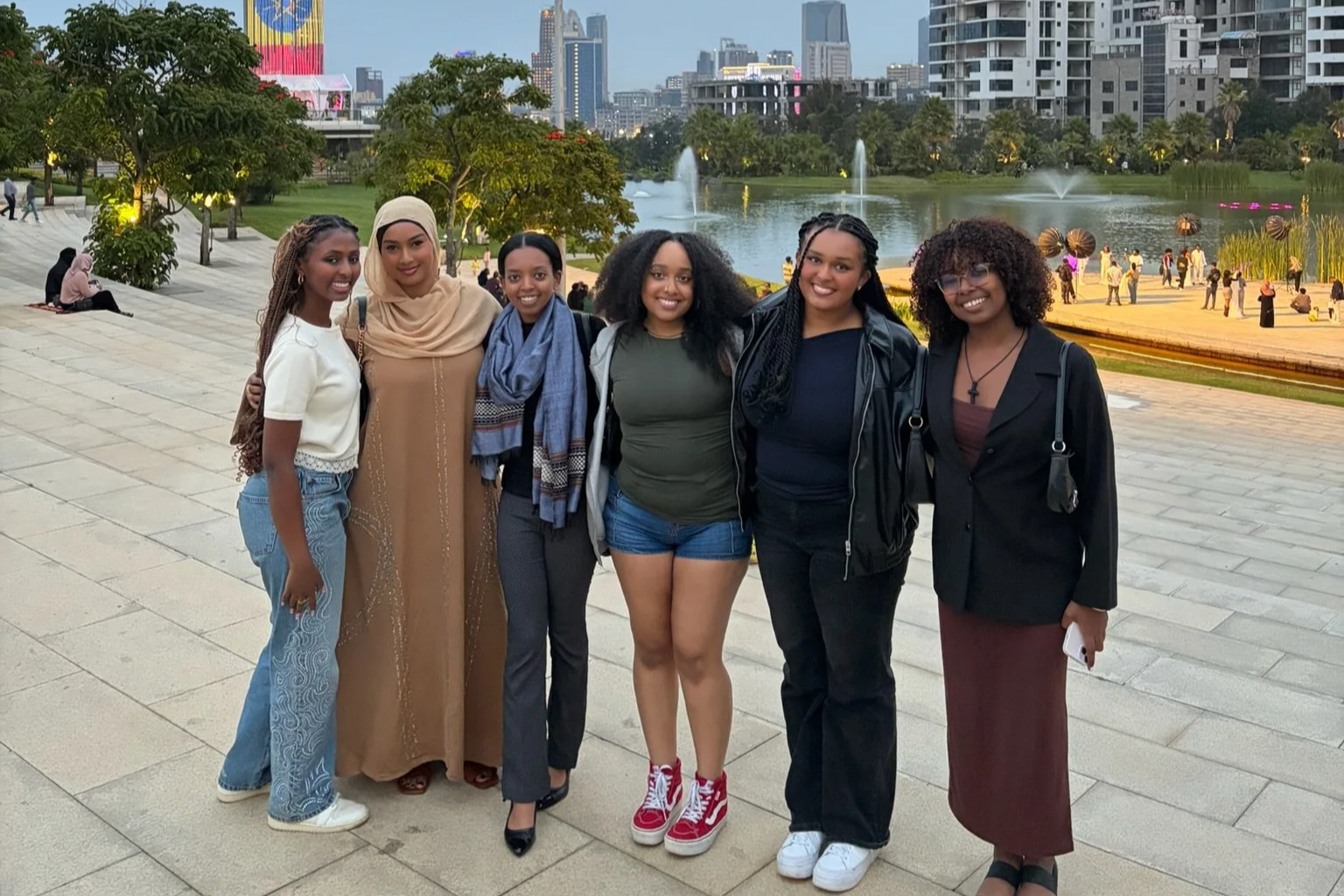
The goal is for students to leave with more than a collection of institutional visits. They should develop a richer understanding of the social and historical context in which Ethiopia’s healthcare system operates.